Mrs. Olga
drama by Milutin Bojić
A Word from the Director
I have always found it difficult to formulate “a word from the director” in a predefined form. A word from the director, by definition, serves to bring closer and explain the idea or concept that we, as a creative team, have conceived and then handed over to the audience to “experience, conclude, accept, or reject.” That is why a word from the director carries a certain weight - both the audience and the critics often weigh against it whether the writing has truly been presented on stage. After all, words have always carried weight.
Ever since I was a child, I loved the folktale about the goat’s ears of Emperor Trojan; about the barber who, by hiding the emperor’s secret buried in a hole, thus protecting himself - reveals to the world what must not be spoken. And in Bojić’s play, written more than a century ago, it is precisely the word that sets off an avalanche. No matter whether secret or public, spoken, silenced, or suppressed, a single word - such as incest, illness, money, honour - can cost dearly those who try to bury their secrets deep, like the barber from the folktale, hoping that no elder tree will grow from that hole, with three shoots beautiful and tall as a rock.
However, what happens if, from all those secrets, fears, and unspoken truths, not just one tree, but an entire forest grows and its undergrowth, flooding the world? What happens if, in that thick shrubs, we begin to view death as a blessing? What then?
The Issue of Genre Classification of “Madame Olga”
When reading theoretical texts written about Bojić’s play, “Madame Olga”, one first encounters the essay by Jovan Hristić, in which it was assessed as perhaps the finest bourgeois drama in Serbian literature. Hristić presents the hypothesis that this drama would have represented a turning point in the development of Serbian dramatic literature, had the World War I occurred a year later and allowed that the planned premiere of “Madame Olga” at the National Theatre in Belgrade take place. It is striking that this play has been deemed so significant even in the form that has survived to this day, as an unfinished, working version, while the final version was unfortunately lost forever in the turmoil of wartime events. However, some records remain regarding how the play developed, and one of them reveals that the first version of the text had a completely different ending, in which the main character, Gidra, leaves his family home, turns his back on moral decline and an opportunistic way of life, and sets out into the world to forge his own destiny. Such an ending that suggests the kind of social activism typical of bourgeois drama, would have unequivocally placed “Madame Olga” among “textbook” bourgeois plays. Nonetheless, in response to that first version of the text, a suggestion arrives from the National Theatre’s reviewer, which Bojić accepts: that a plot twist should occur at the end, in which Gidra does not leave. There is no moral redemption, only a cynical surrender to an easier, well-trodden path of life.
Because of such an ending, which is preserved in the version that has survived to this day, the classification of “Madame Olga” as a bourgeois play can be disputed. Petar Grujičić, a dramaturge and theatre scholar, wrote about this in his text “Misreadings in the History of National Drama Using the Example of Madame Olga” in which he rightly notes the unscrupulousness of the main characters, Gidra above all, who remains irreversibly compromised from the very beginning of the play by his vulgar treatment of women, his attitude toward the extremely expensive education, which for him is merely a pose, and his return home as an act of compromise. This, as Grujičić writes, “dark tone” indeed makes Gidra a unique character in the history of our dramatic literature and calls Hristić’s judgment about the genre of What is “Madame Olga”, then, if not a bourgeois drama? If we are to believe the author himself, Bojić, and his subtitle, it is a - comedy! Such a decision by the author understandably provokes surprise. Despite the undoubtedly witty elements of the text, it is difficult to link the idea of comedy with themes of incest, illness, and blackmail - except perhaps in some contemporary, radically dark comedy, which “Madame Olga”, again, is not. The answer may lie in Bojić’s unusual sense of humour, or rather in what Aristotle writes: that in comedy we watch people “worse than ourselves” and laugh at their weaknesses (just as in tragedy we look up to characters more virtuous than ourselves). In “Madame Olga” we certainly encounter characters who are weak, lazy, and spoiled, unable to survive even a single day of honest work, lacking the strength to live life. Yet, Aristotle also defined the comic as a kind of ugliness or error that does not cause pain or harm. We could argue that this is the case in this play as well: in the end, despite their philosophical reflections and dreams of a nobler life, the characters seem to get what they truly wanted - all except Gidra’s mother, who remains alone on stage, clearly separated by a stage direction from the engagement party in the adjoining room, evidently deeply miserable. And the other characters, too, only seem to get a happy ending: Gidra’s monologue in the end so convincingly portrays an unhappy man who has surrendered to lethargy that it is difficult to believe he is truly satisfied with the final outcome of events; Vuka marries a man who, after his flight, she must realise does not love her and who may even be her brother; the love affair between Olga and the Lawyer is ruined beyond repair, etc. Therefore, we may say that despite all our goodwill to understand the author, “Madame Olga” can hardly be characterised as a comedy.
What would happen if we chose to interpret the characters’ striving toward a nobler life as genuine, and the obstacles hindering them as essential and insurmountable, rather than trivial? In other words, in an attempt to view the play from a tragic perspective, what is it that prevents the characters from becoming better people, if not their mere laziness and spoiled nature?
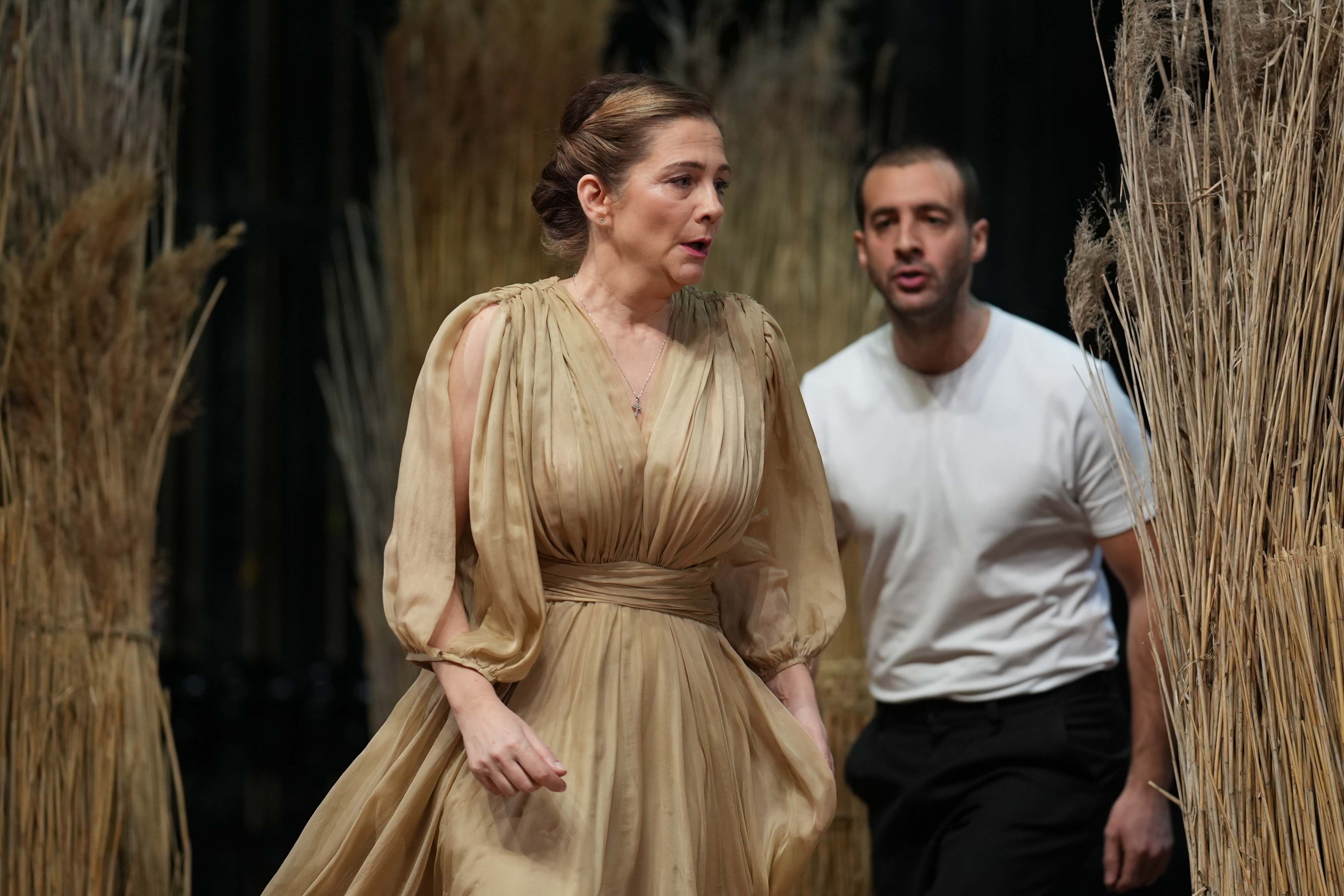
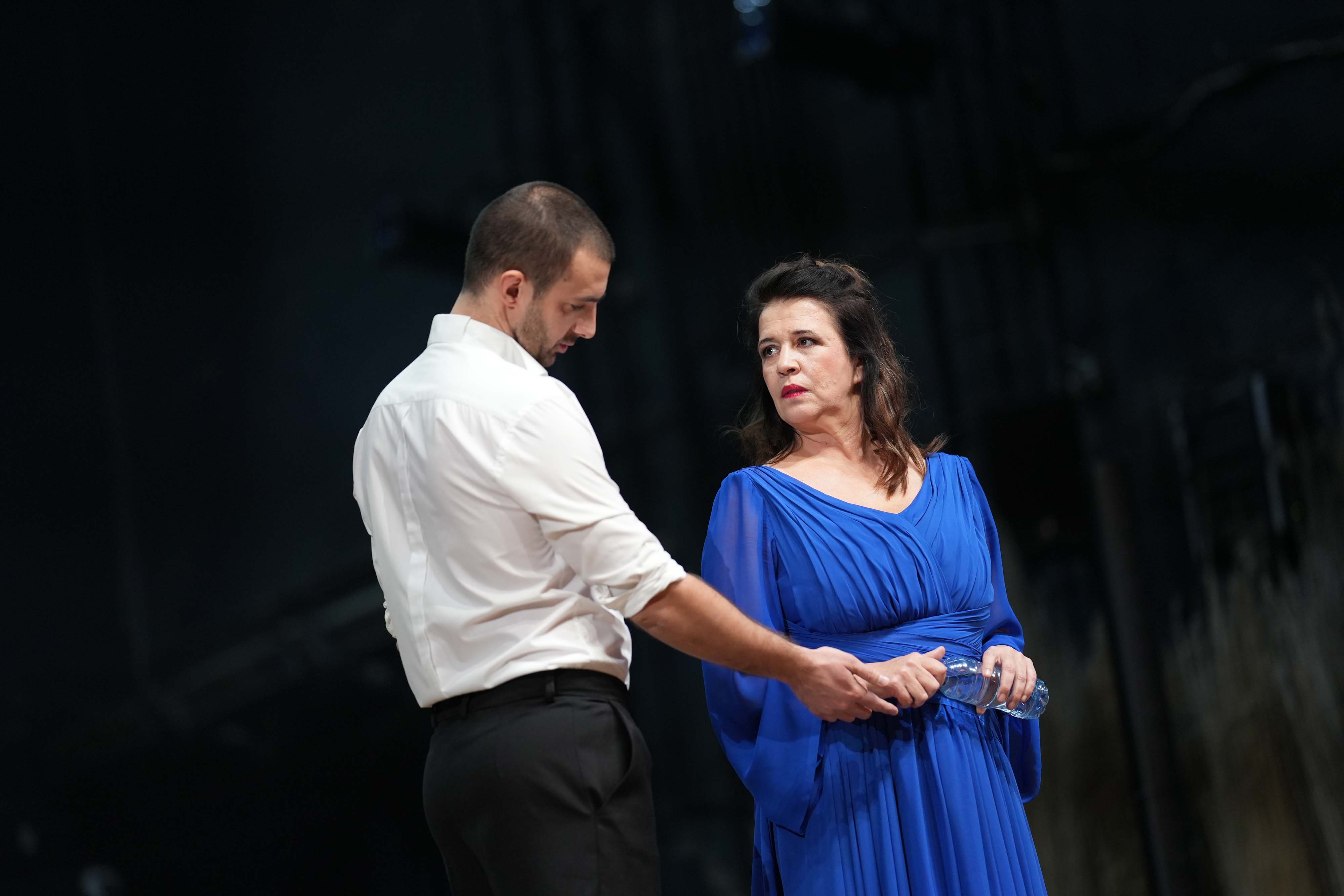
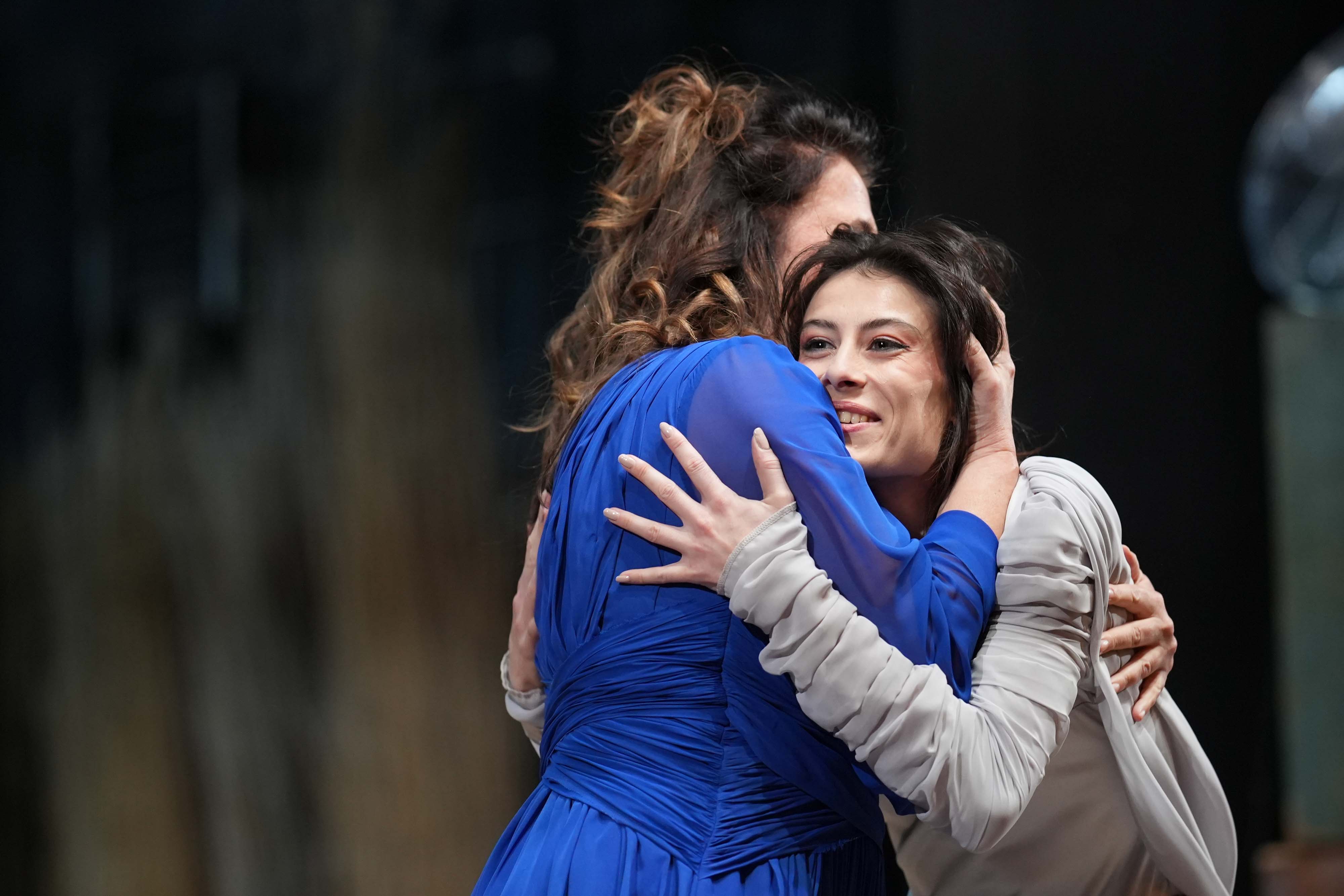
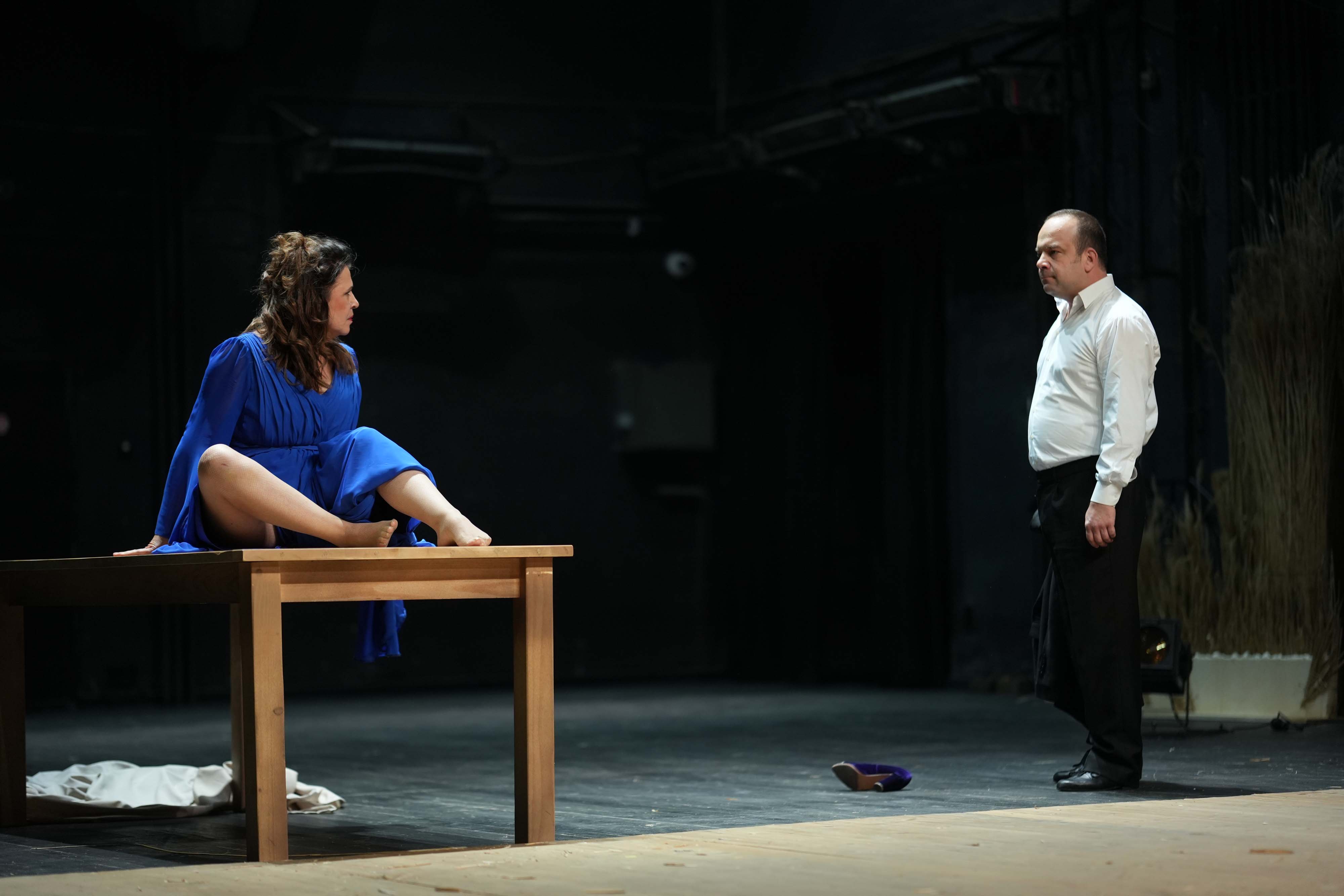
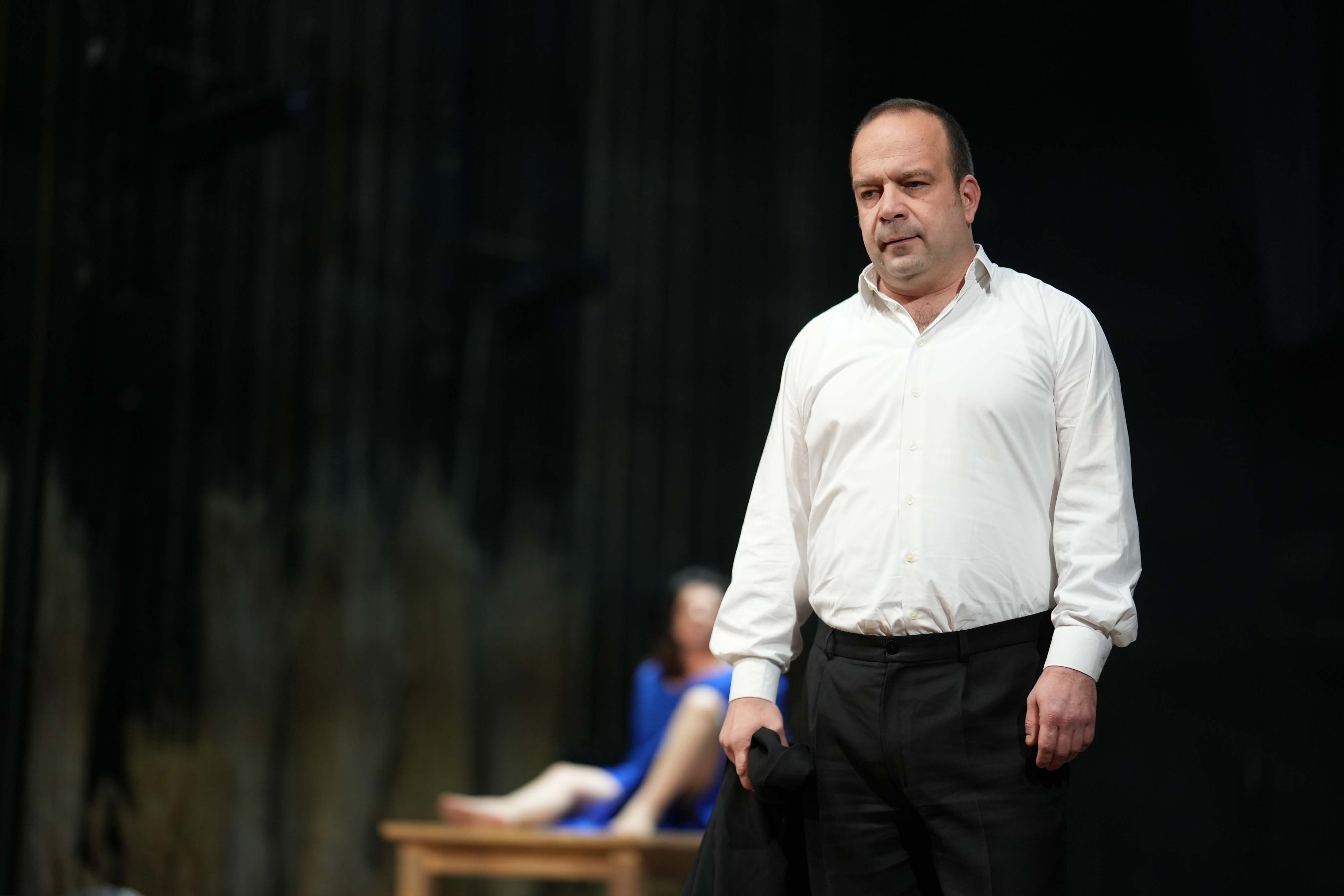
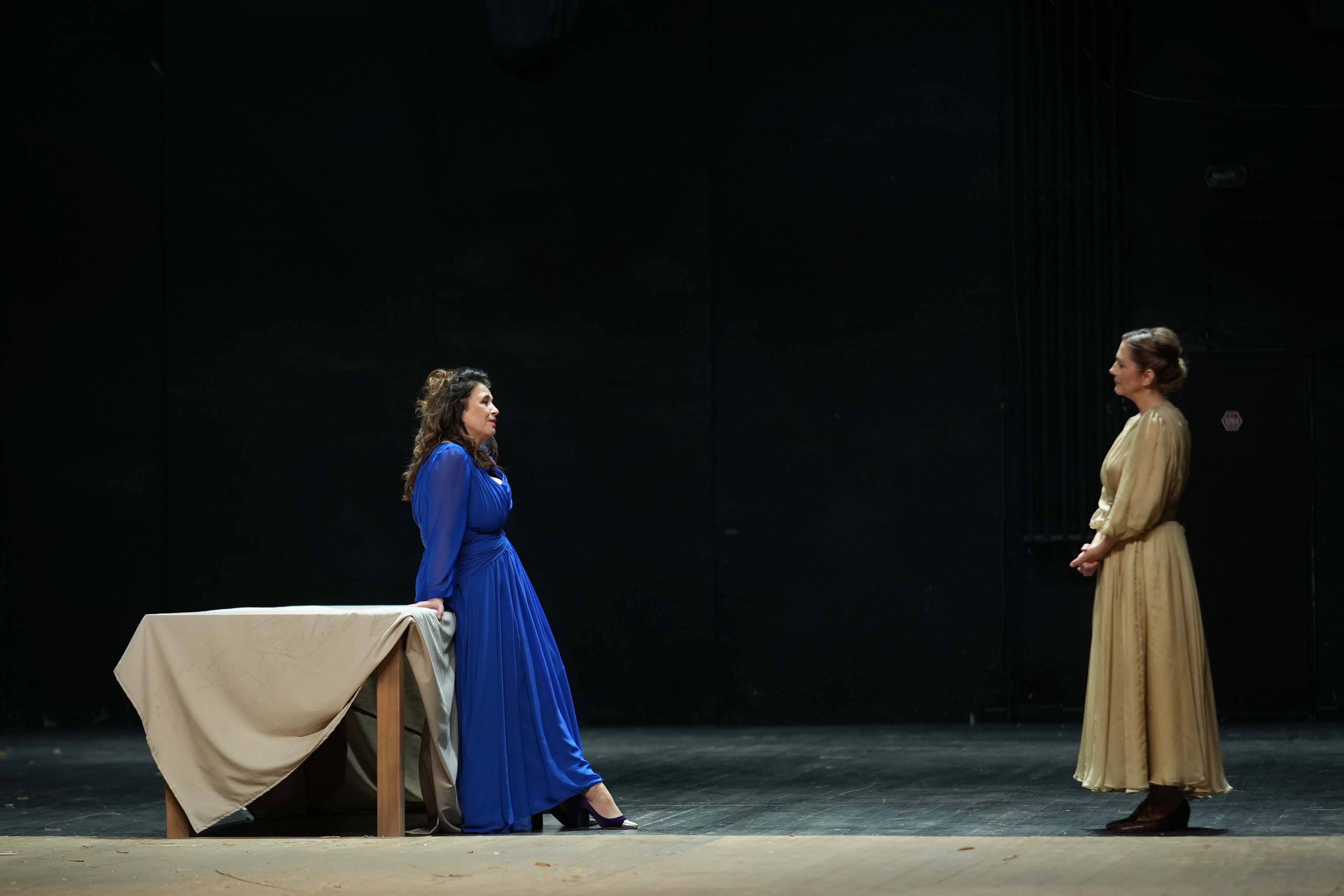
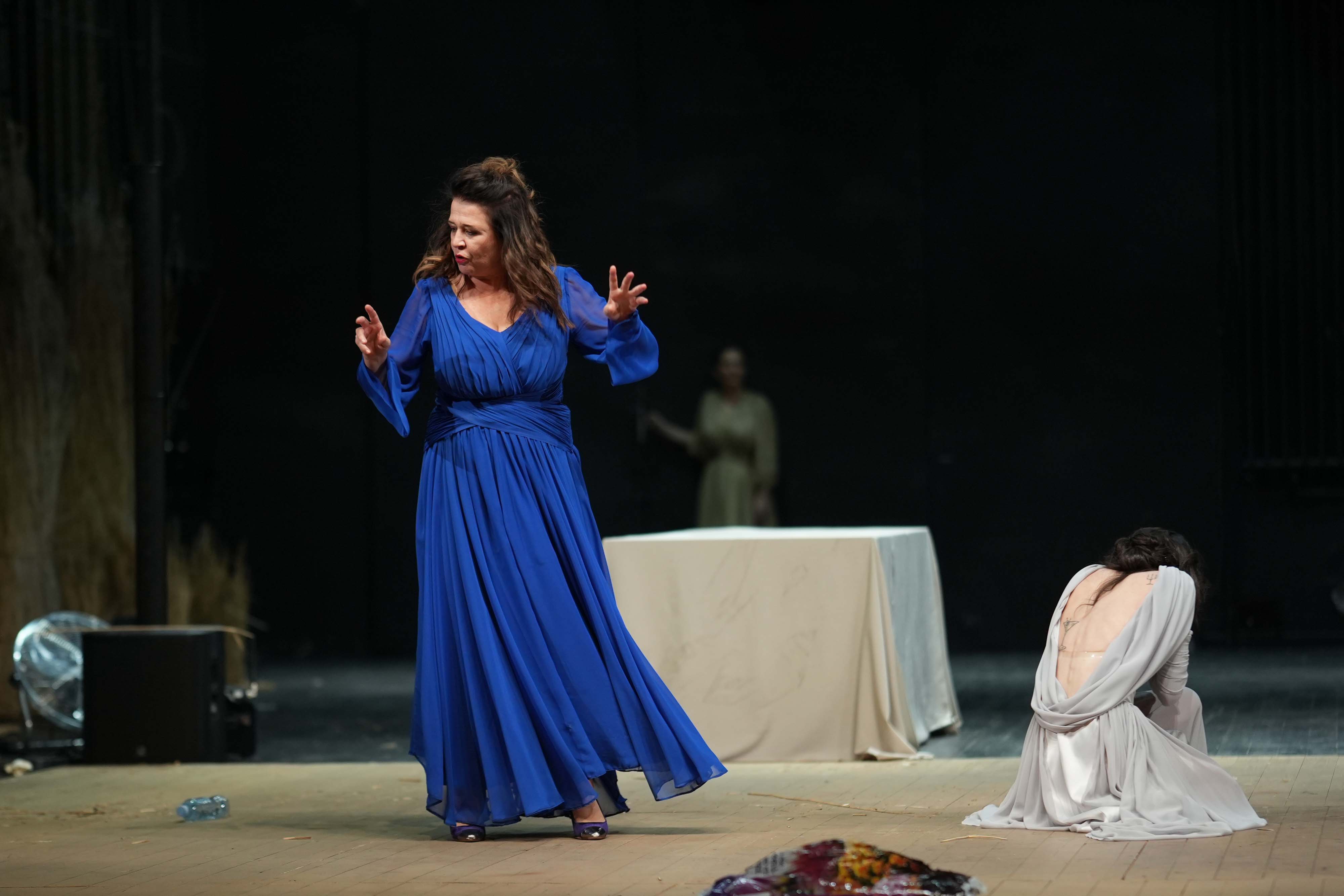
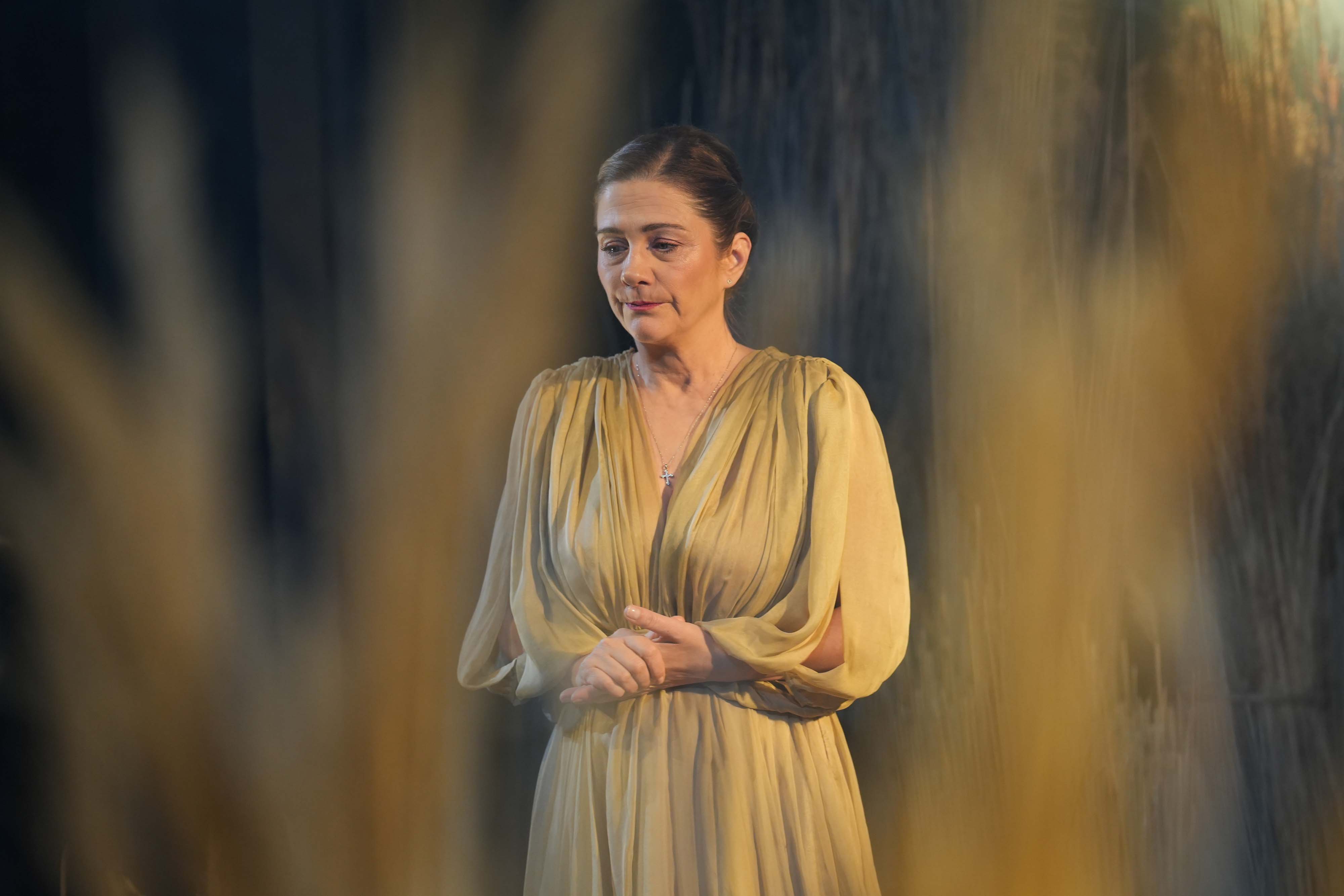
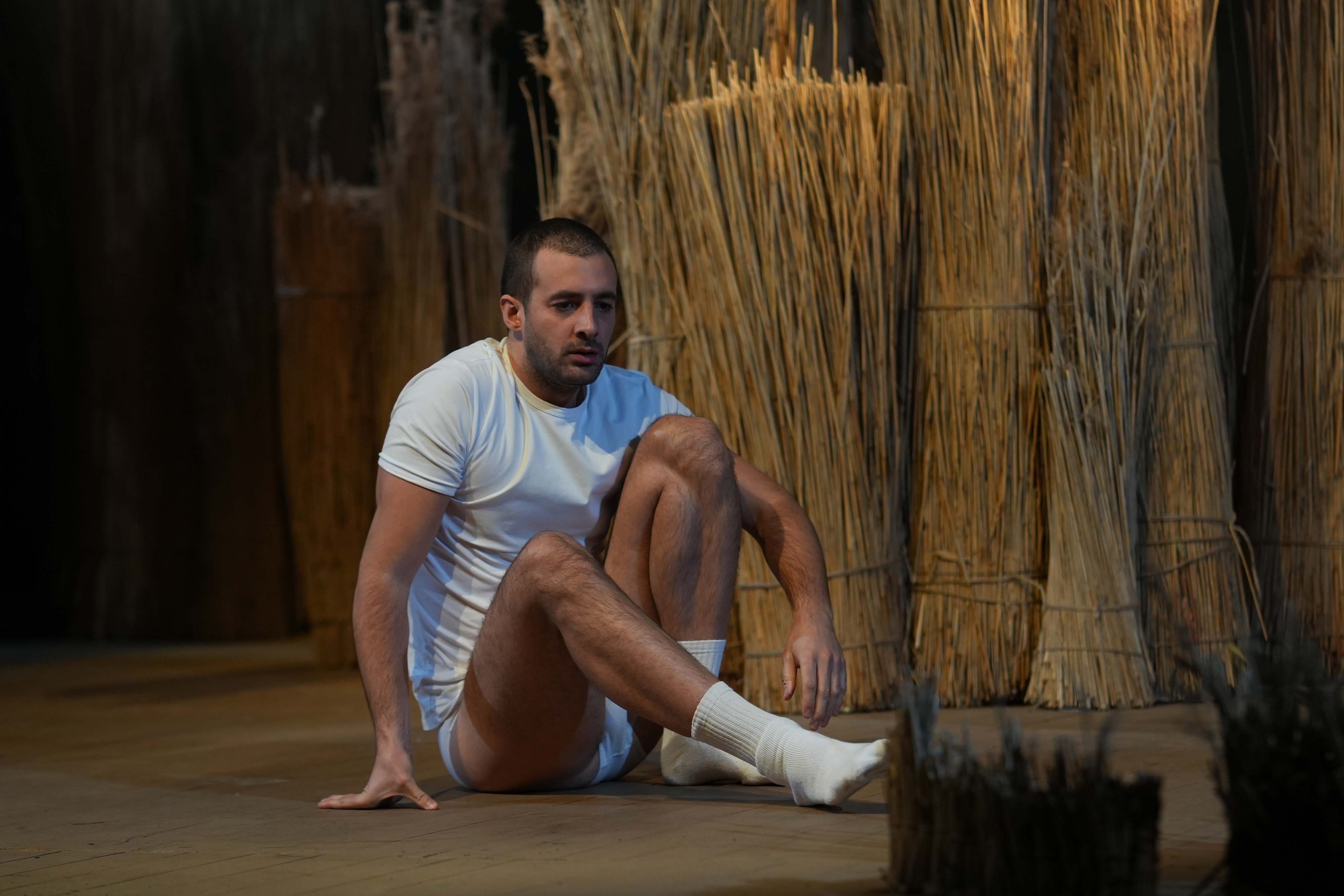
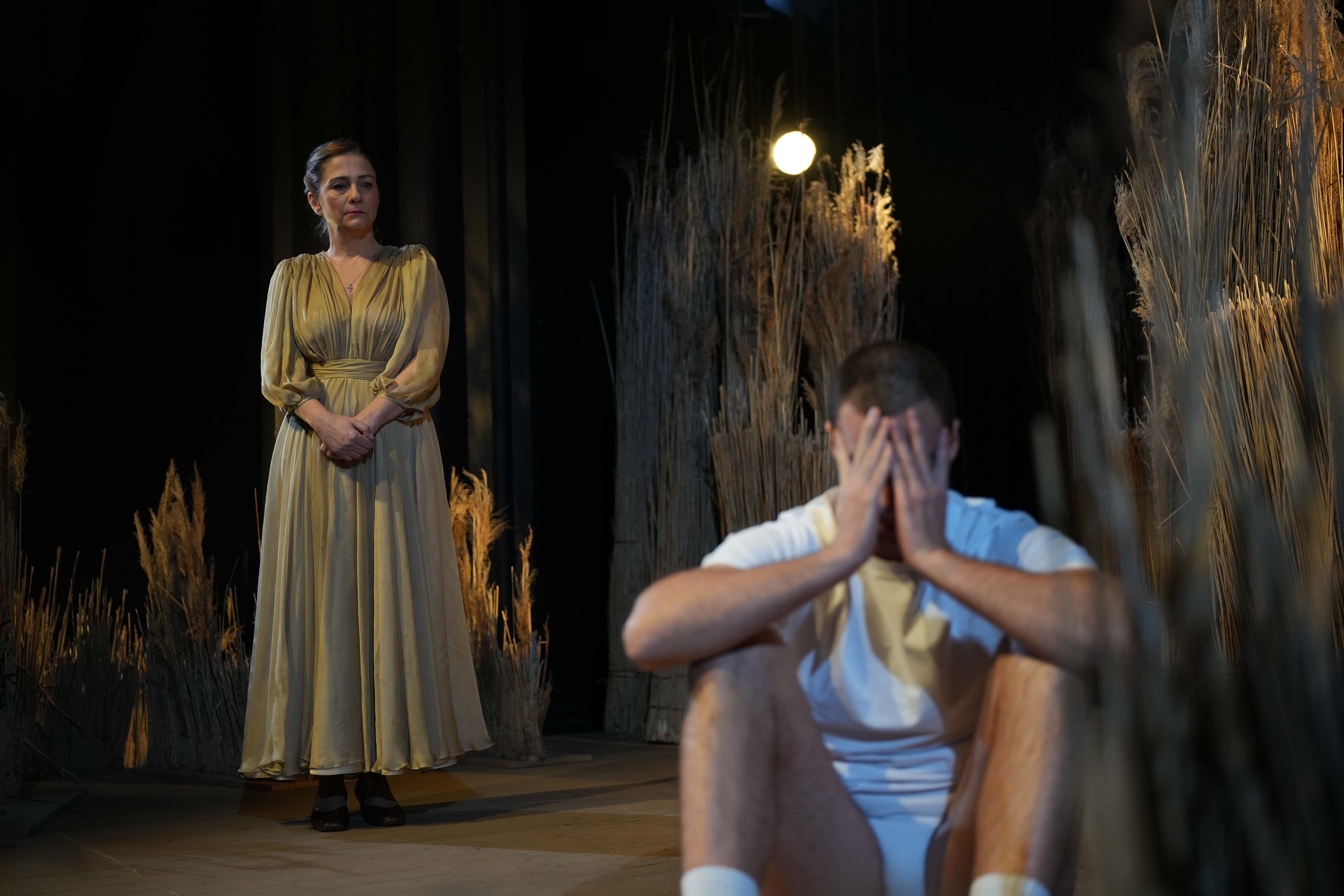
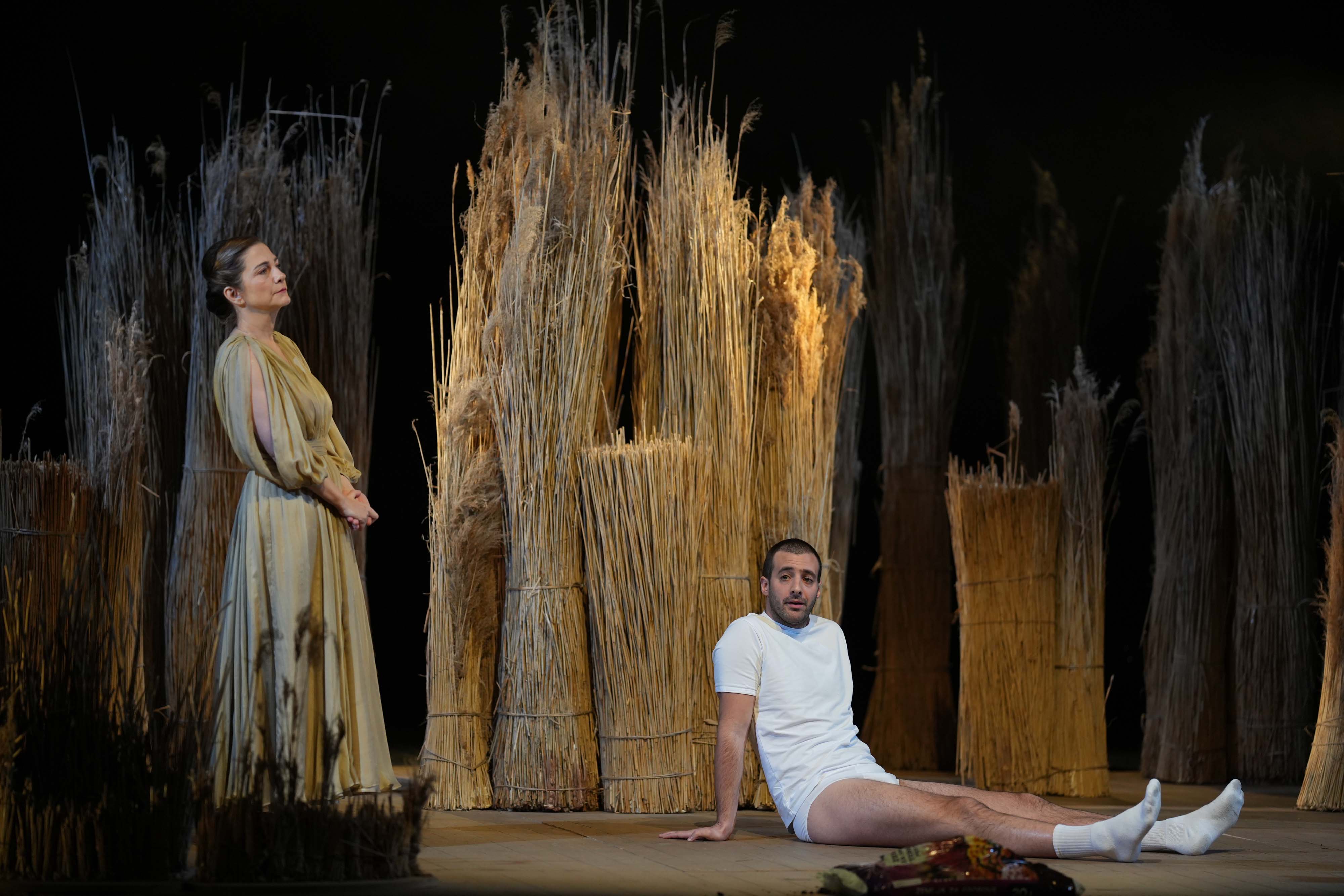
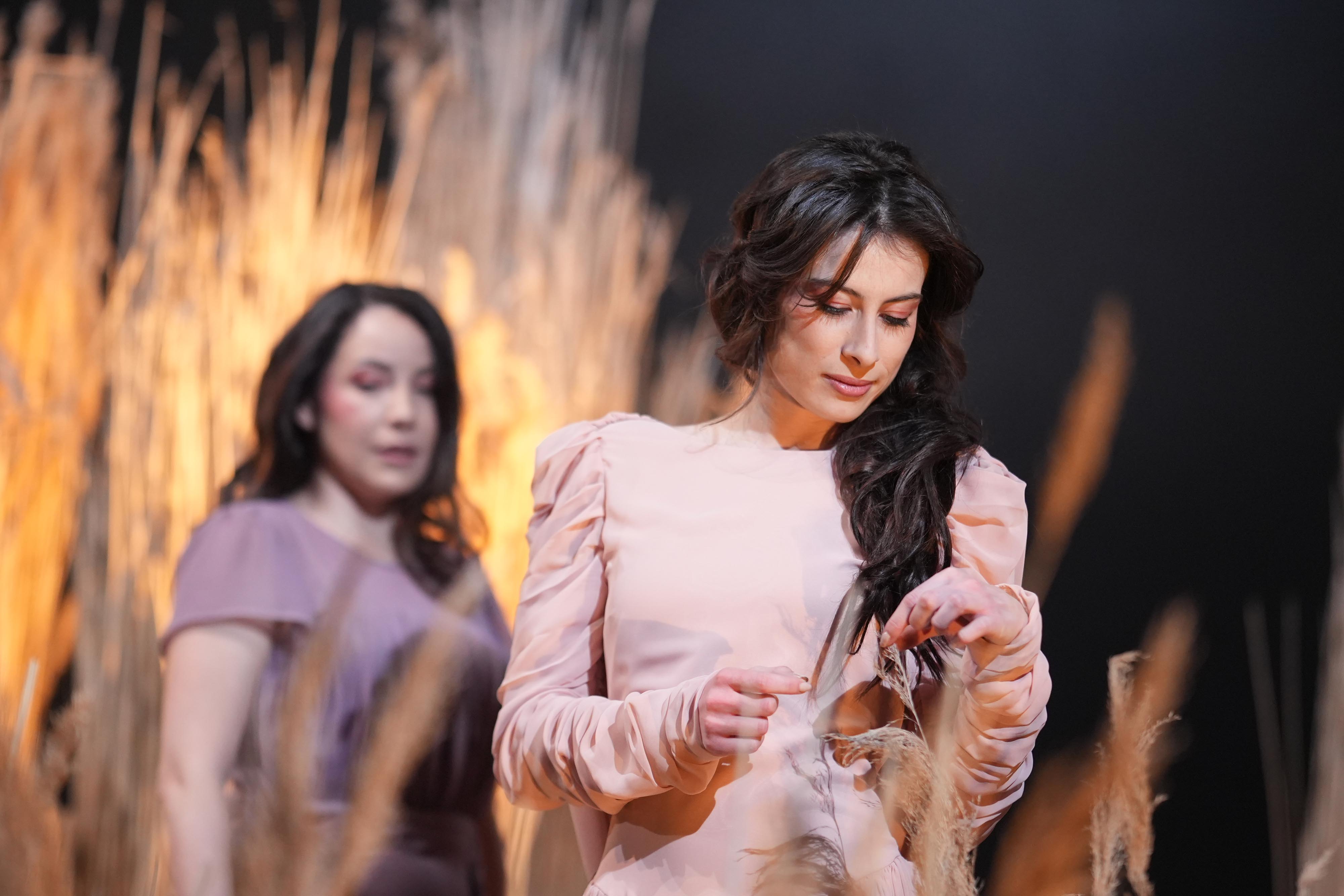
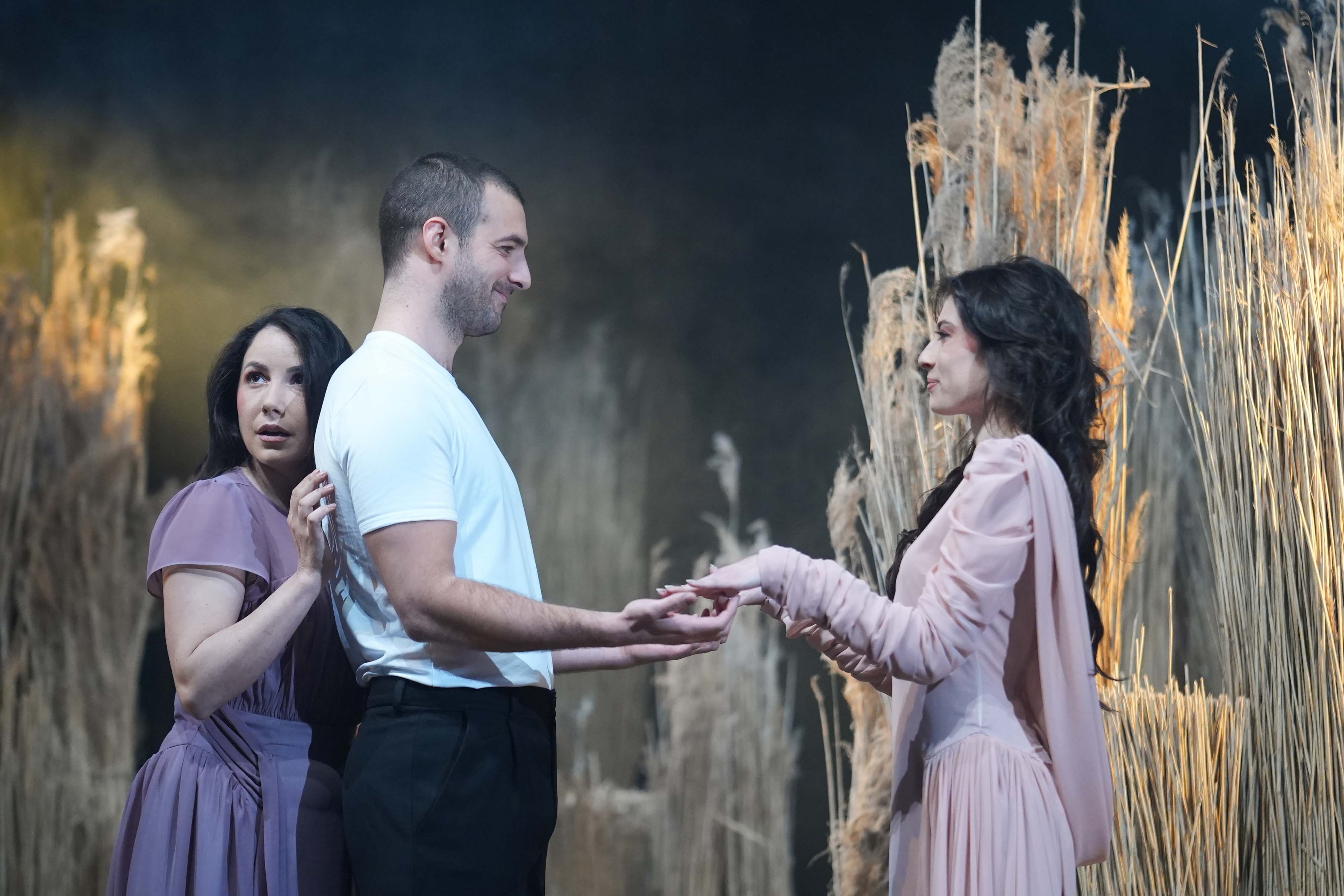
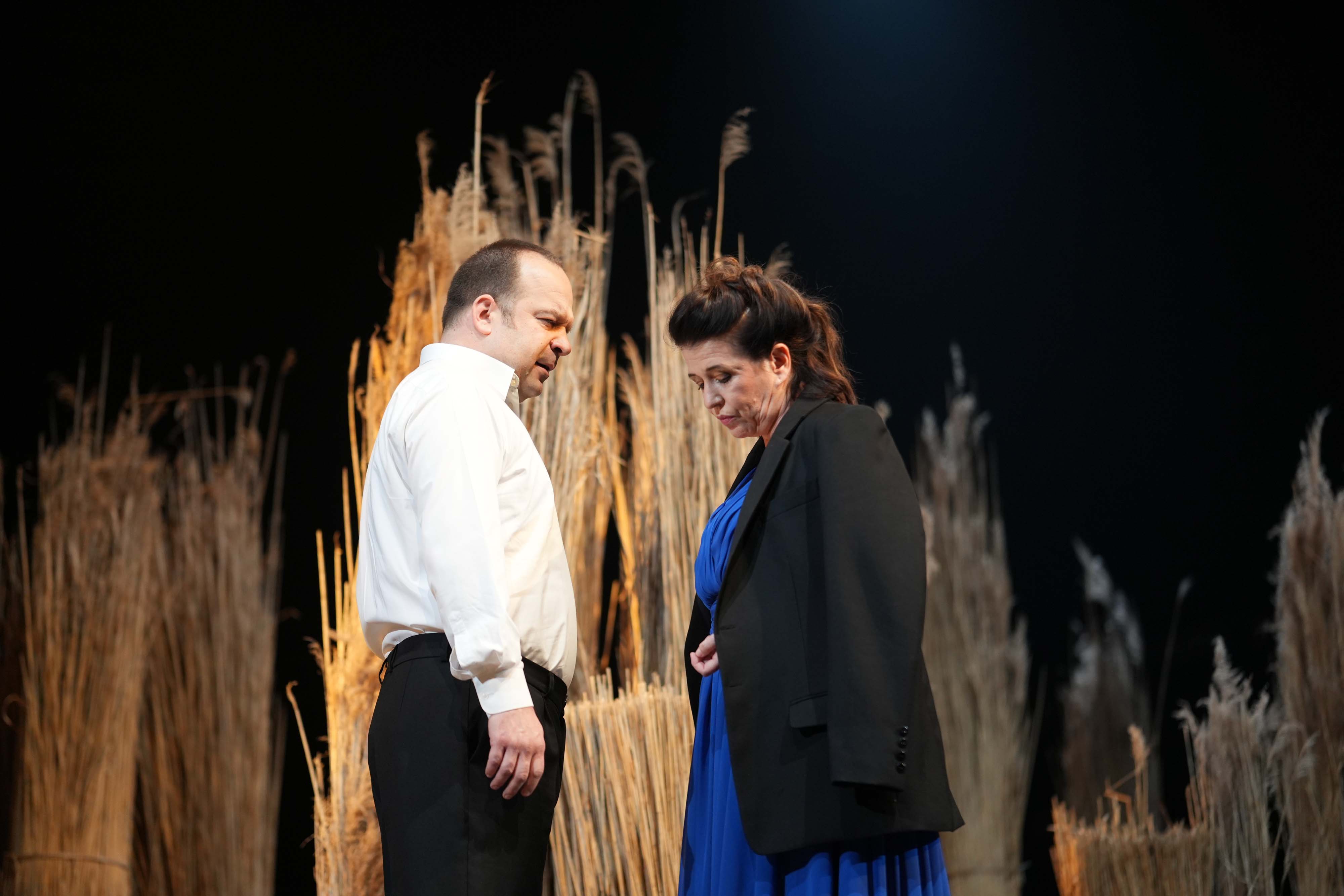
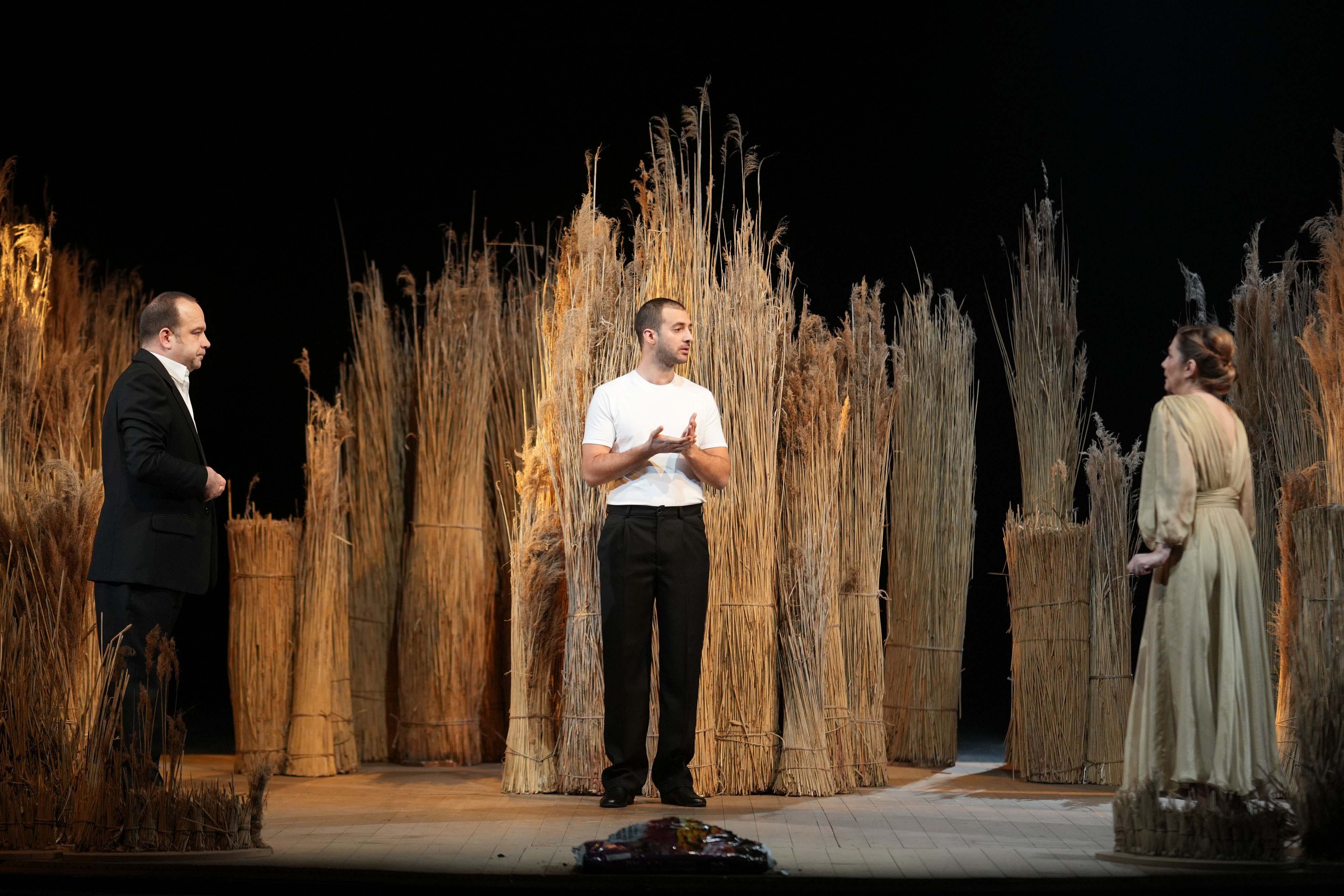
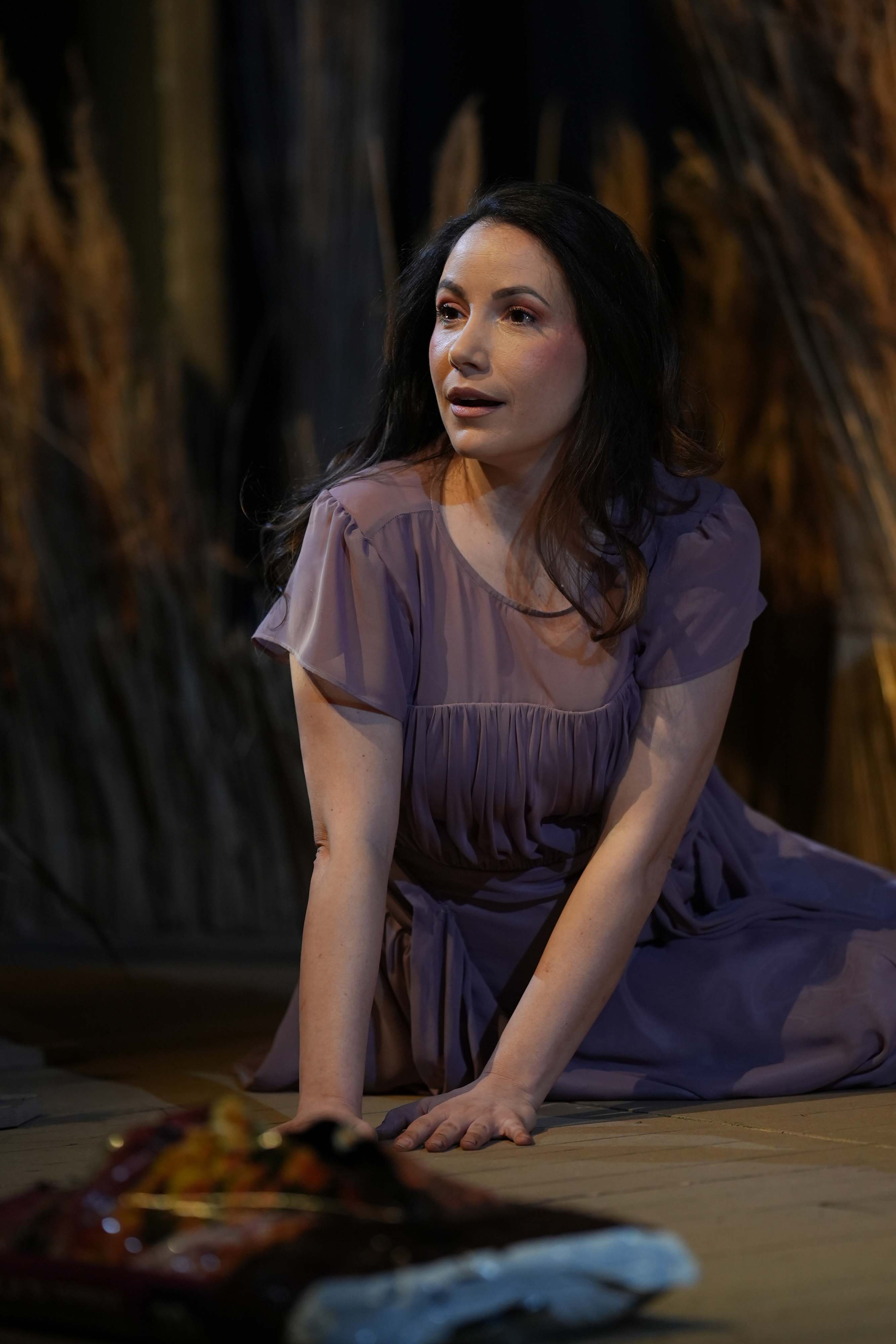
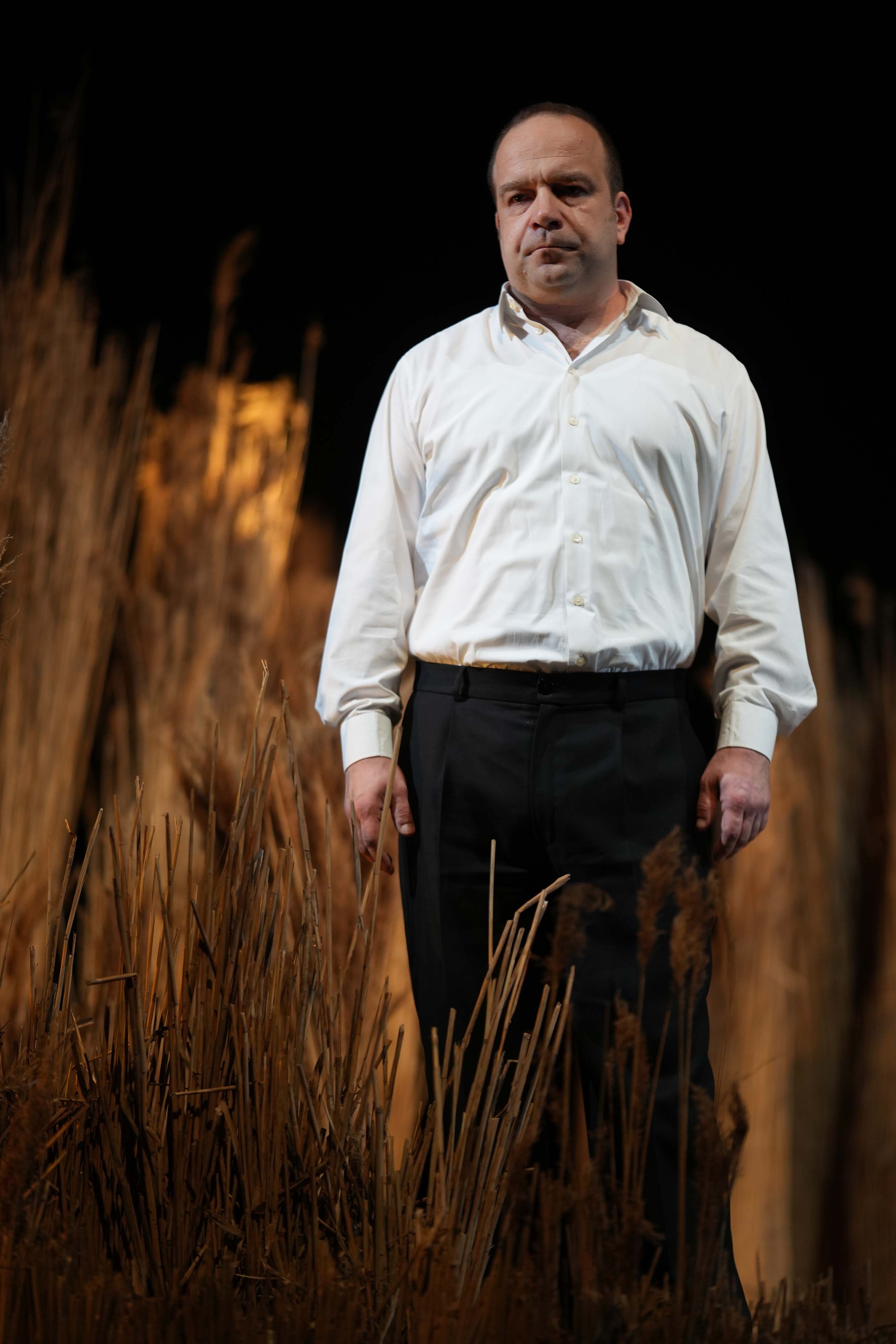
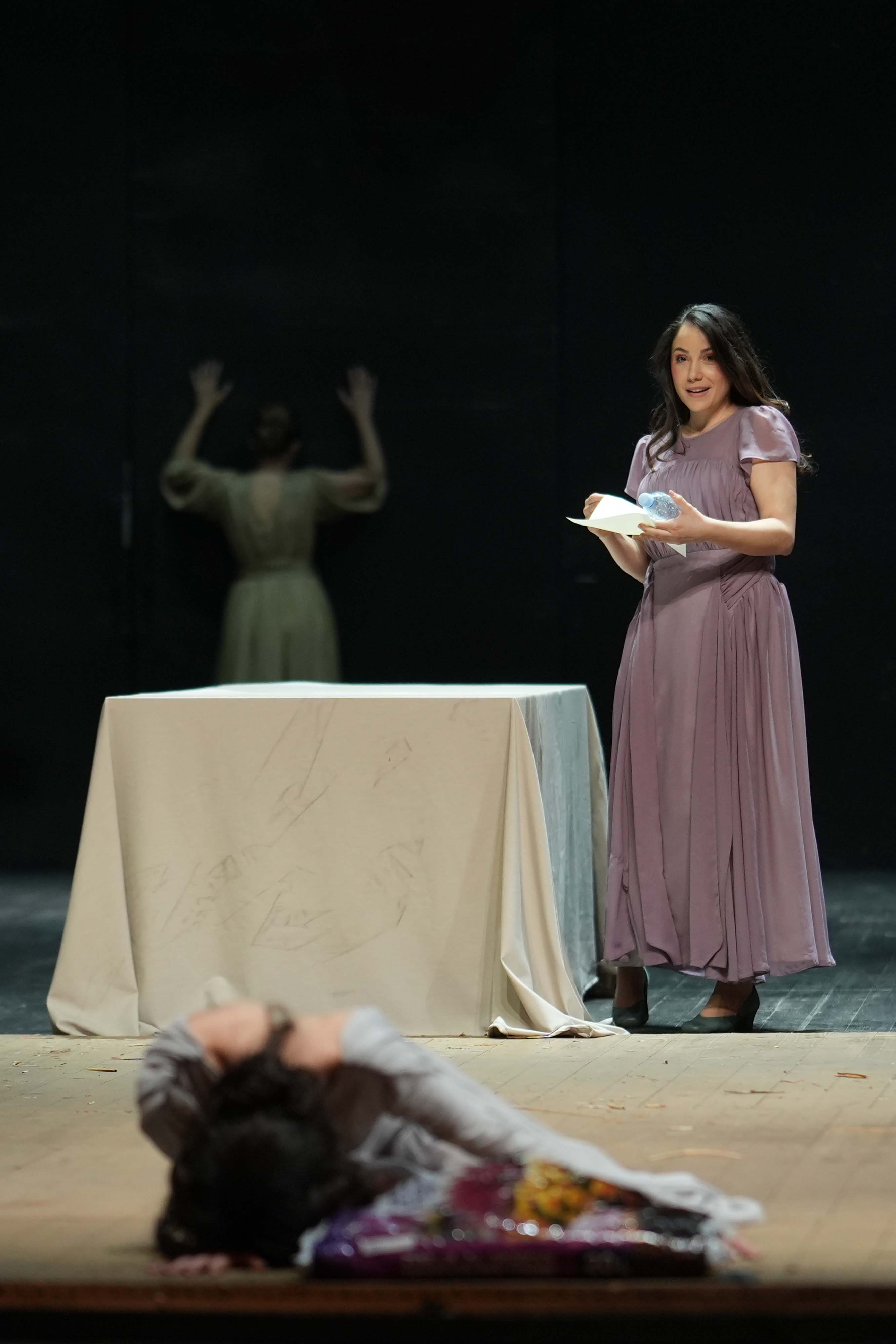
The answer may lie in a phrase that is repeated several times throughout the play: they are fighting against their blood, against their own mold, their own nature, namely, against genetics. Genetic determinism is a characteristic of naturalistic drama, not bourgeois drama. Extramarital affairs, the problem of paternity, incest, and money, which are the themes that dominate “Madame Olga” are also characteristic of the plays of Henri Bernstein, a French naturalist who was translated into Serbian and widely read in Bojić’s time. Viewed through the lens of naturalistic drama, the erotic forces of the subconscious, the biological, the irrational, and the untamable in human nature become the main drivers of the action in “Madame Olga”, while financial problems are merely a materialisation beneath which these forces are concealed. The characters are not masters of their own destiny - their free will is a mere illusion as they are slaves to biological impulses, to instinctual currents from the unconscious. We also adopted this interpretation in staging the drama, so the characters were displaced, both visually and symbolically, from the space of bourgeois convention and reason into the space of nature and instinct.
Is this the “correct answer”? Perhaps it is, but it is more likely that the question of the genre of “Madame Olga” remains open, probably without a single correct answer, certainly also because the completed version of the text, approved by Bojić himself and in which the genre would have been clearer, was unfortunately lost forever.
Đorđe Kosić
Premiere performance
Premiere, 24 December 2025.
“Raša Plaović” Stage
National Theatre in Belgrade
National Theatre of the Republic of Srpska
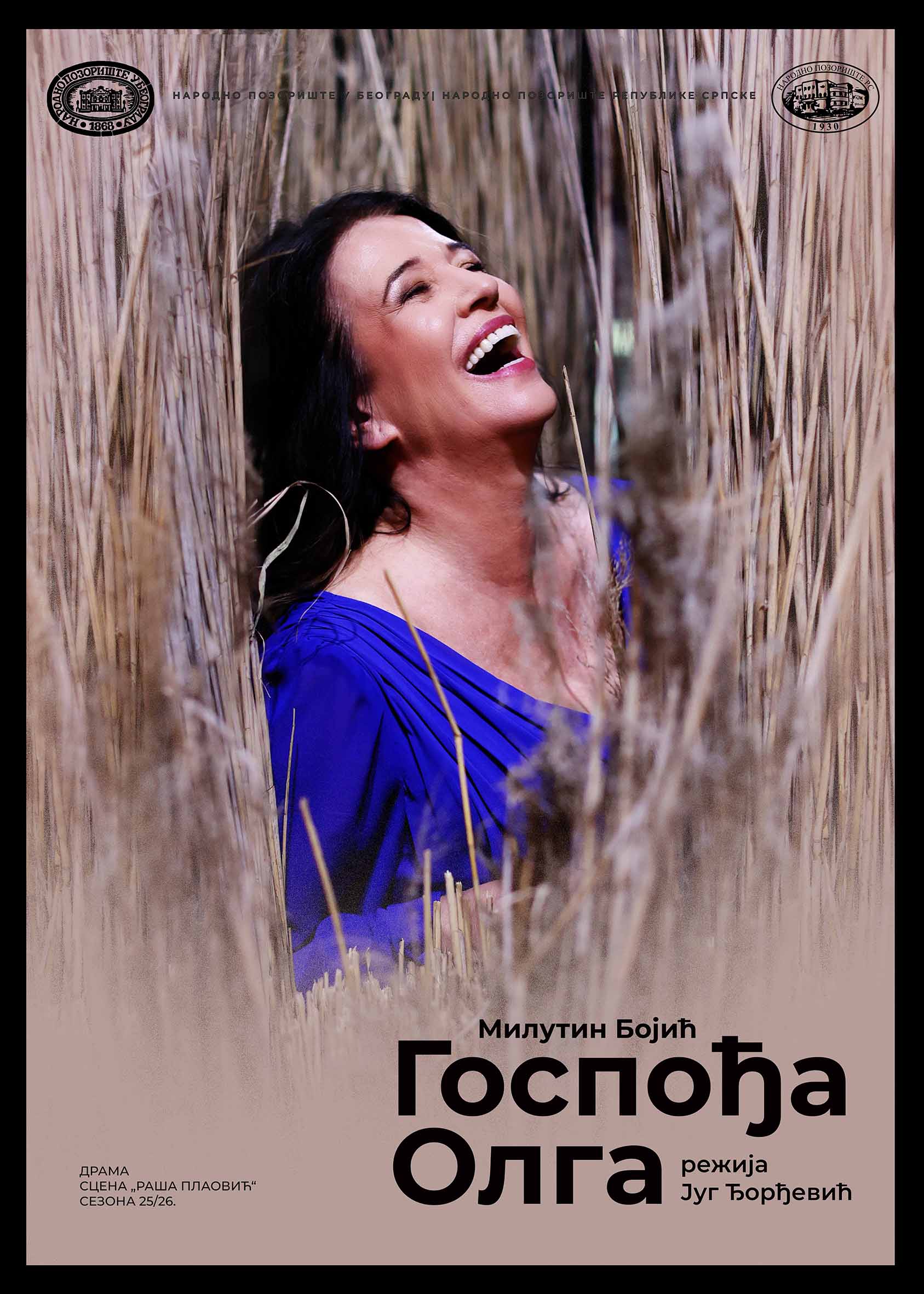
Milutin Bojić
Madame Olga
Directed by Jug Đorđević
Dramaturgy Đorđe Kosić
Set Design Dragana Purković Macan
Costume Design Velimirka Damjanović
Music composed by Nevena Glušica
Stage Movement Milica Cerović
Stage Speech Coach Dr Dejan Sredojević
Lighting Designers Mia Mlinarević, Srđan Savić
Produced by Miloš Golubović, Olivera Živković, Nikola Đaković
Stage Managers Ana Zorić, Vesna Maksimović
Prompters Ljubica Raković, Svjetlana Vranjković
Assistant Director Bojan Stević*
Premiere Cast:
Mrs. Olga Ristić Nela Mihailović
Lawyer Novaković Ljubiša Savanović
Novaković’s Wife Slađana Zrnić
Gidra, Their Son Aleksandar Vučković
Vuka, Olga’s Daughter Iva Milanović
Marija, the Maid Smiljana Marinković
Sound Engineer Velimir Milošević
Make-up Artist Marko Dukić
Stage Technician Ninoslav Stevanović
*Fourth-year student of Theatre Directing at the Academy of Arts, University of Banja Luka (UNIBL), in the class of Professor Dušan Petrović.
The performance lasts 1 hour and 50 minutes.